Blog

Can Dogs eat Bell Pepper?

31187

Bell peppers are a common ingredient in many of our favorite dishes. Their crisp texture and vibrant flavor can turn any meal into something special. But what about our furry friends—can dogs enjoy bell peppers too?

The answer is yes, dogs can safely eat bell peppers. However, there’s an important distinction to make: only sweet bell peppers are suitable for dogs. These include the colorful varieties you often see—red, yellow, orange, and green. On the other hand, spicy or hot peppers should always be avoided, as they can cause irritation and digestive discomfort in dogs.

In this post, we’ll cover everything you should know about feeding bell peppers to your dog, including which colors are best and how to prepare them safely.

What Exactly Are Bell Peppers?

Bell peppers—also known as sweet peppers or capsicums—are a type of mild vegetable from the Capsicum family. Unlike chili peppers, they contain no capsaicin, which is the compound that gives spicy peppers their heat. This makes them completely safe and gentle for dogs when served properly.

You’ll find bell peppers in several bright colors, and while they all come from the same plant, their ripeness level and nutrient content vary. Each color offers a slightly different taste and nutritional value.

Here’s a simple breakdown:

ColorDescription
GreenThe least ripe variety. Crunchy, slightly bitter, and lower in nutrients compared to other colors.
YellowPartially ripe, milder in flavor, sweeter than green, and richer in vitamins.
OrangeNearly fully ripe, with a balanced sweetness and higher nutrient content.
RedFully mature and the sweetest of all. Packed with antioxidants, vitamins, and the most nutrients.

Are Bell Peppers good for dogs ?

Yes, bell peppers are completely safe for dogs when served in moderation. Not only are they crunchy and delicious, but they’re also packed with valuable nutrients that can benefit dogs of all breeds and sizes.

Packed With Essential Vitamins and Minerals

Vitamin A:
This vitamin plays a key role in supporting your dog’s vision—especially night vision—and helps maintain healthy skin, coat, and immune function.

Vitamin B6:
Crucial for brain health and hormone balance, vitamin B6 also supports energy metabolism and helps your dog stay active and alert.

Vitamin C:
A natural antioxidant, vitamin C protects cells from oxidative damage and helps boost the immune system, keeping your pup strong and healthy.

Vitamin E:
Another antioxidant powerhouse, vitamin E helps combat free radicals, supports cell health, and promotes a shiny coat and healthy skin.

Potassium:
An essential mineral that helps regulate fluid balance, supports proper muscle function, and keeps your dog’s heart and nerves working smoothly.

Iron:
Important for producing red blood cells and transporting oxygen throughout the body—helping your dog stay energized and strong.

Magnesium:
Supports bone strength, nerve function, and energy production. It also contributes to your dog’s overall vitality.

Rich in Antioxidants

Bell peppers are a great natural source of antioxidants like beta-carotene and lutein, which can help reduce inflammation and protect your dog’s cells from damage. These compounds support long-term health, from stronger immunity to better eye health.

Aids Digestion

The fiber in bell peppers supports healthy digestion by promoting regular bowel movements and preventing constipation. This natural fiber also helps maintain a balanced gut microbiome, contributing to overall digestive wellness.

Low in Calories

Bell peppers are naturally low in calories and fat, making them a smart, guilt-free snack option. They’re a great substitute for processed treats—offering a satisfying crunch without the extra calories that can lead to weight gain.

Helps Keep Dogs Hydrated

Since bell peppers are made up of about 92–94% water, they can help keep your dog hydrated, especially during warmer months. Adding small pieces of bell pepper to your dog’s regular meals can provide an extra hydration boost alongside dry food.
2150798747

Can Cats Eat Oats? Benefits, Risks, and Serving Tips

Oats are a popular and healthy breakfast choice for humans, but if you’re a cat owner, you might wonder — can cats eat oats too? The answer is yes, cats can eat oats in small amounts, and they can even benefit from them when served properly.

Benefits of Oats for Cats

  1. Rich in Nutrients
    Oats are packed with essential nutrients such as iron, fiber, protein, and B vitamins. These nutrients help maintain your cat’s overall health, providing extra energy and supporting various body functions.

  2. Good for Digestion
    The fiber in oats can promote healthy digestion and help prevent constipation. However, too much fiber can cause stomach upset, so moderation is key.

  3. Supports Skin and Coat Health
    Oats contain antioxidants and vitamin E, which can contribute to a shiny, healthy coat and soothe dry or itchy skin.

  4. Low in Calories
    Oats are relatively low in calories, making them a light and healthy treat option for cats — especially for those on a weight management plan.


Risks of Feeding Oats to Cats

  1. Not a Complete Meal
    Cats are obligate carnivores, meaning they need meat-based protein for proper nutrition. Oats should never replace their regular cat food or meat-based diet.

  2. Possible Allergies or Sensitivities
    Some cats may have mild allergies or sensitivities to grains like oats. Watch for symptoms such as vomiting, diarrhea, or skin irritation after feeding oats.

  3. Improper Preparation
    Raw or flavored oats can be harmful. Oats with added sugar, chocolate, raisins, or artificial sweeteners are toxic to cats and should always be avoided.


Serving Tips

  • Always cook the oats before serving. Plain, boiled, or steamed oats are easiest to digest.

  • Avoid using milk, butter, sugar, or flavorings — serve them plain.

  • Start with a small amount (about a teaspoon) mixed into your cat’s regular food.

  • Only offer oats once or twice a week as a treat, not daily.

  • Observe your cat after feeding — if any digestive issues occur, stop giving oats immediately.


Conclusion

Oats can be a safe and nutritious treat for cats when served in moderation and properly prepared. They provide extra fiber, vitamins, and minerals that can support your cat’s overall well-being. However, always remember that oats are only a supplementary snack, not a substitute for a balanced, meat-based diet.                                                                                                                                                                                                                                                                                                                                                                                                                                                                                                                                                                                                                                                                                                                                                  

2150798745

Can Cats Eat Chapati?

Cats can eat small pieces of chapati occasionally, but it should not be a regular part of their diet. Cats are obligate carnivores, which means they need meat — not grains — to stay healthy.

Possible Benefits (in very small amounts)

Chapati doesn’t provide much nutrition for cats, but there are a few minor points:

  1. Energy Source – Contains carbohydrates that can give a little energy.

  2. Filler Food – Can be used as a small treat if your cat enjoys it.

  3. Soft Texture – Easy to chew for cats with dental issues (if served plain and soft).

Risks of Giving Chapati to Cats

Chapati is made from wheat flour, which isn’t ideal for feline digestion.

  1. Low Nutritional Value – Lacks the animal protein and nutrients cats need.

  2. Digestive Problems – Cats can’t digest carbohydrates well; chapati may cause bloating, gas, or constipation.

  3. Gluten Sensitivity – Some cats are allergic or sensitive to gluten in wheat.

  4. Added Ingredients – Salt, oil, or butter in chapati dough can upset a cat’s stomach.

Safe Serving Tips

If you still want to offer chapati as a tiny treat:

  • Give only a small bite-sized piece (plain, no salt, oil, or ghee).

  • Offer it rarely — once in a while, not daily.

  • Avoid giving raw dough — it can expand in the stomach and cause pain.

  • Never replace meat with chapati in their diet.

Key Takeaway

Category Safe for Cats? Notes
Plain Chapati Yes, in very small amount Only as an occasional treat
Chapati with Butter, Oil, or Salt No Can upset stomach
Whole Wheat / Multigrain Roti Avoid Harder to digest
Raw Dough No Can expand and cause blockage

Final Verdict: Cats can eat a tiny piece of plain chapati occasionally, but it offers no real benefit and may cause digestive discomfort. Their main diet should always be meat-based.


2150798752

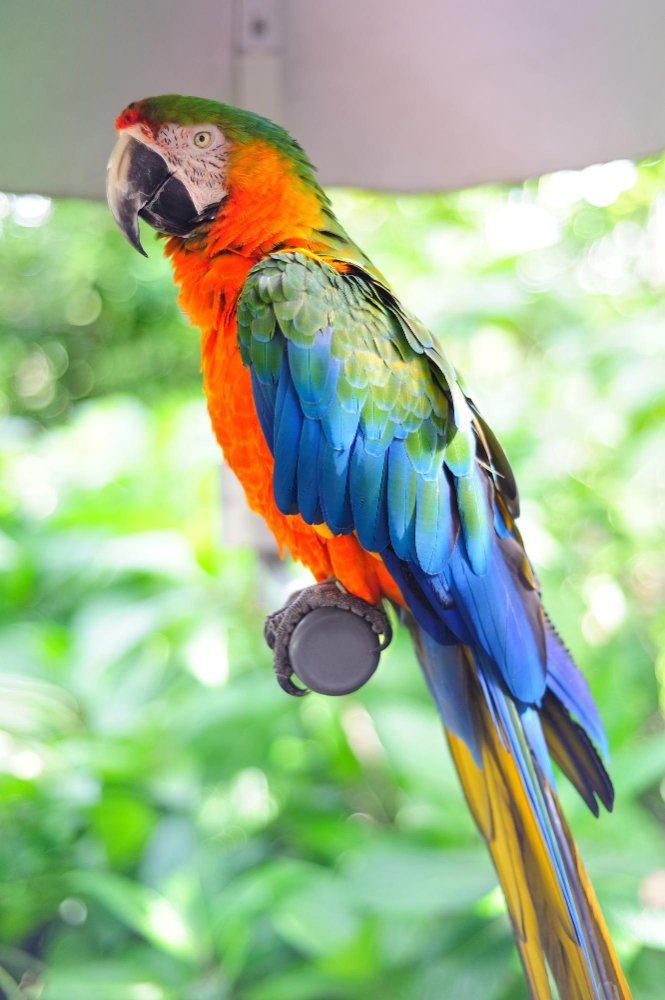
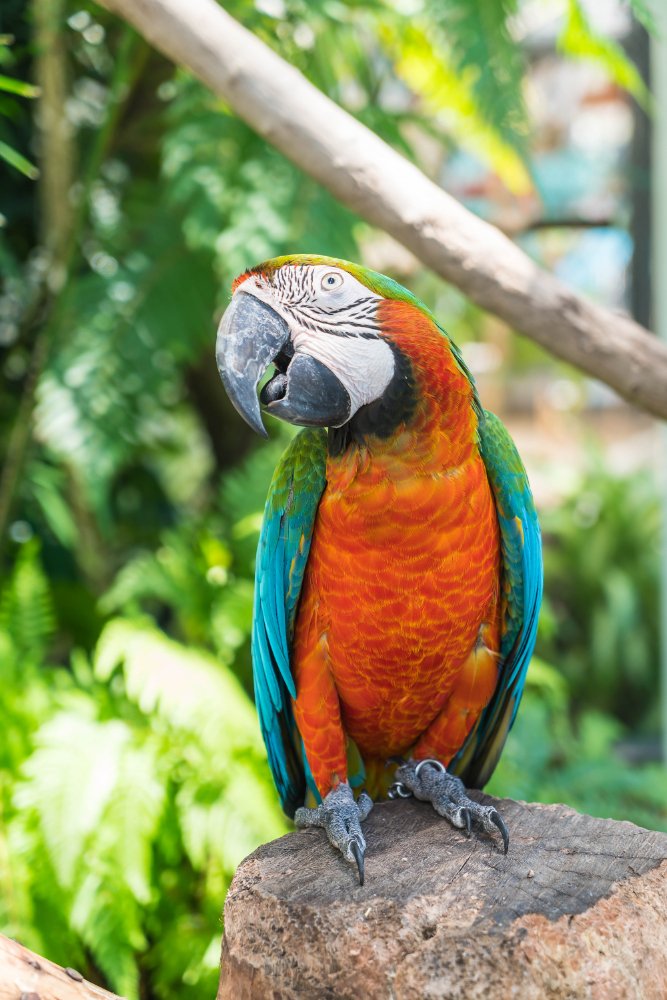
Can parrot eat every fruits?

132

Not every fruit is safe for parrots. Many fruits are healthy, but some are dangerous because of toxic seeds, pits, or chemicals.

✅ Fruits Parrots Can Safely Eat

In moderation and washed properly:

  • Apples (without seeds)

  • Bananas

  • Mango

  • Papaya

  • Grapes

  • Watermelon

  • Pear (without seeds)

  • Guava

  • Pomegranate

  • Berries (strawberry, blueberry, raspberry)

These fruits provide vitamins, fiber, and hydration.

❌ Fruits Parrots Should AVOID

Because of toxic pits/seeds or harmful chemicals:

  • Avocado (toxic to birds)

  • Cherry pits

  • Apple seeds

  • Peach & apricot pits

  • Plum pits

  • Raw green tomatoes (unripe)

  • Grapefruit in excess (can interact with medication)

Seeds of apple and pits of stone fruits contain cyanide-like substances—dangerous for birds.
Safe Tips

✔ Remove seeds/pits
✔ Wash fruits properly
✔ Serve in small pieces
✔ Fresh fruits only—no spoiled fruit
✔ Mix with vegetables and pellets for balanced diet

Quick Conclusion

✅ Parrots can eat many fruits,
❌ but not all. Some seeds, pits, or fruits like avocado are toxic.

3384